HOW IT WORKS
Separation engineering · acoustic, spatial, aerial
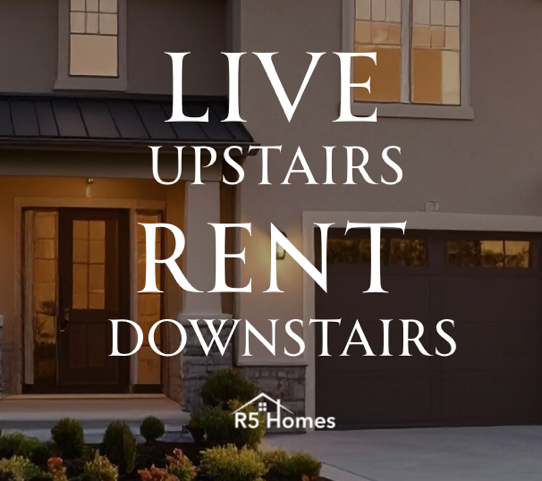
Two homes. One roof. Real walls between.
Most "basement rentals" are remodels. The wiring shares a panel, the air shares a return, the noise shares a floor. The setup falls apart for both occupants within a year. Ours is engineered as two homes from the foundation up. Three layers of separation make that possible.
01Acoustic
Walls and floors that hold sound.
If you can hear the upstairs TV from the basement bedroom, the rental fails. We assume that.
- →Decoupled ceiling assemblies between floors so footsteps don't transmit through the rigid frame.
- →Heavyweight wall and floor assemblies with serious sound dampening built into shared surfaces.
- →Plumbing isolation. pipes wrapped, stacks routed away from the suite bedroom wall.
02Spatial
Two front doors. No interior crossover.
When the suite is configured as a rental, there is no door connecting the two units. None. The separation is physical, not symbolic.
- →Separate exterior entrance on its own walkway. Code compliant egress, real porch, real address signage.
- →Full kitchen with range, full size refrigerator, dishwasher, and real cabinetry. No "kitchenette" workaround.
- →In suite laundry with full size washer and dryer, vented properly to grade.
- →Convertible interior door. when configured as integrated family use, a fire rated, sound rated door reopens between the spaces. Convert it back when life calls for the rental again.
03Aerial
Air, heat, and bills don't mix.
Mechanical separation is where most builders cut corners. We don't. The suite has its own systems.
- →Independent HVAC with its own thermostat. Their winter doesn't dictate yours.
- →Separate electrical sub panel for the suite, fed from a dedicated breaker on the main service. Sub metered where local utility allows.
- →Plumbing routed through separate stacks where layout allows, with isolation valves to either side.
- →Ventilation ducted independently. No shared returns. No shared supply. Smells, dust, and air pressure stay where they belong.
04Why Others Don't
If it's so good, why aren't all builders doing it?
Honest answer in five lines.
Higher sticker price loses the comparison shopping war. Most builders price low and skip the basement to win the lot sign.
Real separation is hard. Acoustic, mechanical, fire rating, basement plumbing, separate egress. Less experienced teams cannot execute it cleanly.
Lender treatment of ADU rent has only recently become standard. The category is young at scale.
Marketing this requires payment math literacy. Most builders are tradesmen, not financial communicators.
See it in person.
The model home in Eagle Mountain is the easiest way. Stand in the suite. Listen for the upstairs.
Schedule a Tour →